Jun 05 2026 15:00
A Fresh Look at Insurance for Your Summer Toys
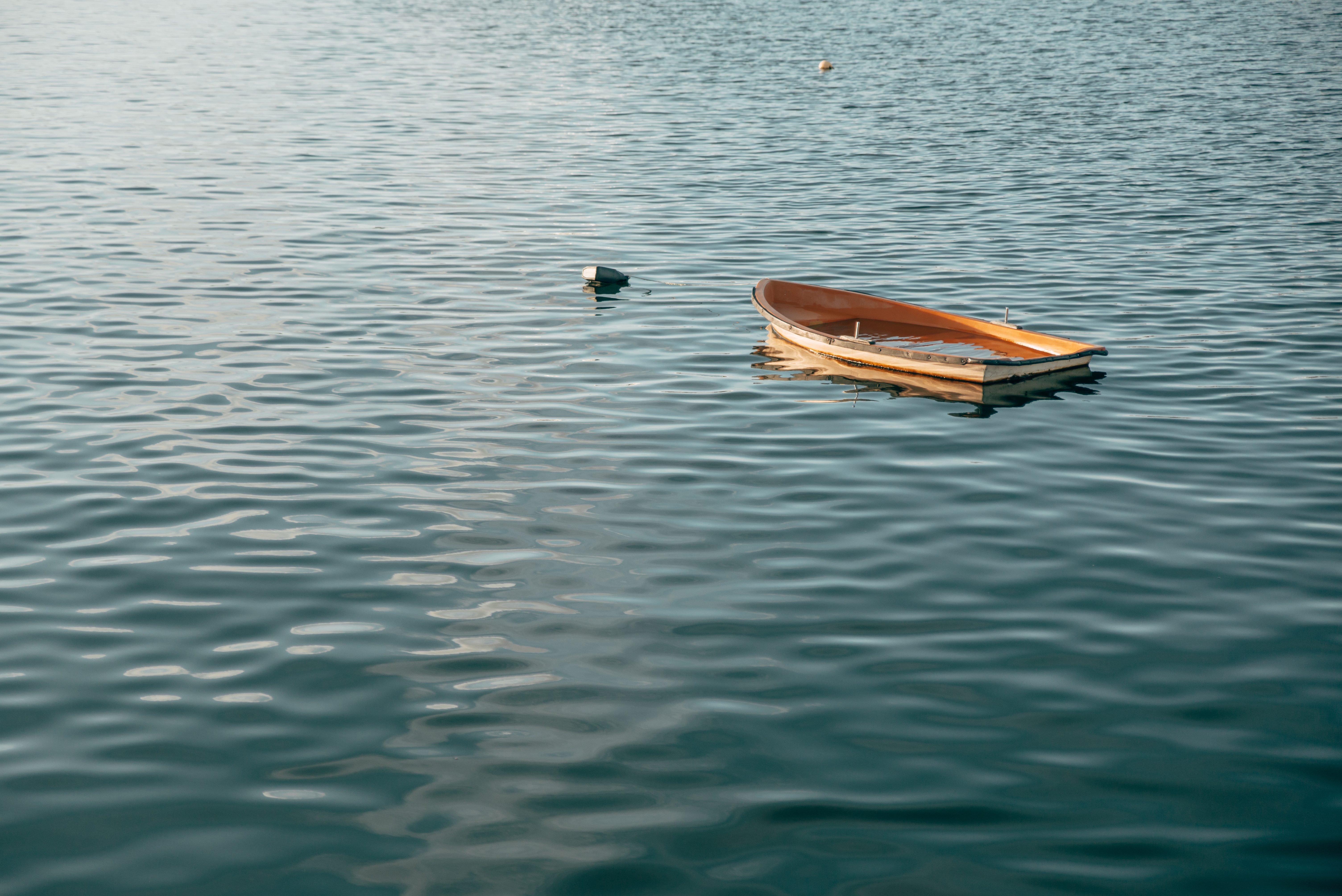
Summer adventures can sneak up fast, and before you know it, you’re loading gear, planning weekend getaways, and heading toward the nearest lake, trail, or campsite. Boats, RVs, motorcycles, and ATVs bring excitement to the season, but they also come with risks that standard home or auto policies don’t always fully address. Taking a few minutes to review your insurance now can help protect you from costly surprises later.
This guide breaks down why separate policies are often essential for popular summer vehicles and explains what the most common coverage options typically include.
Why Specialized Insurance Matters for Summer Vehicles
Seasonal vehicles aren’t used the same way your daily driver or primary home is. Their exposure to theft, weather, and recreational use can create insurance gaps that standard policies either limit or exclude entirely. When those gaps show up after an accident, fire, or liability claim, the financial fallout can be significant.
Specialized policies help address those unique risks by tailoring coverage to how and where these vehicles are used. Without the right protection, you may face unexpected repair costs, medical expenses, or even legal issues depending on the situation.
Boat Insurance: Coverage for Water Adventures
Boat insurance typically functions a lot like auto insurance, combining coverage for physical damage with protection against liability. This makes it an essential part of responsible boating.
Physical damage coverage usually assists with repairs or replacement if your boat is affected by storms, theft, vandalism, or collisions—whether they happen on the water or at the dock. Many policies also include medical payments for you and your passengers after an accident.
Liability coverage helps safeguard your finances if you injure someone or damage their property with your boat. Some policies also offer uninsured or underinsured boater coverage, which protects you if someone else causes an accident but lacks adequate insurance.
Optional protections are common, too. Many insurers allow you to add coverage for towing, emergency help, boat trailers, personal items, and fishing equipment. When applying, insurance companies often ask questions about the boat’s size, value, storage location, engine type, and your boating experience.
As with most policies, exclusions exist. Wear and tear, mechanical failures, and losses tied to poor maintenance are often not covered. Some coverage only applies within certain waters or seasons. If you tow your boat, it’s also important to confirm whether your auto or boat policy covers damage that happens during transport.
RV Insurance: Tailored Options for Motorhomes and Travel Trailers
RV insurance helps protect both motorhomes and travel trailers from accidents, theft, severe weather, and liability risks. It also addresses injuries or property damage you may cause while driving or while parked at a campsite.
Motorhomes, because they’re driven on public roads, typically require liability insurance. Comprehensive and collision coverage are usually optional unless a lender requires them. Comprehensive generally applies to non-collision incidents such as theft, fire, vandalism, and animal damage, while collision pays for repairs or replacement after hitting another vehicle or object.
Travel trailers operate differently since they’re towed. Insurance for the trailer itself is often optional, but liability usually comes from the tow vehicle. Because standard trailer policies may not include liability protection while camping, some RV owners choose vacation liability coverage for added protection.
Other features can include medical payments, roadside help, emergency lodging coverage, uninsured or underinsured protection, and insurance for personal belongings inside the RV. Some policies even extend limited coverage for pets. Common exclusions often include gradual deterioration and moisture-related issues such as mold.
Motorcycle Insurance: Essential Protection for Riders
Motorcycle insurance offers financial protection if your bike is stolen or damaged, and it provides liability coverage if you’re responsible for injuries or property damage. Since almost every state requires liability insurance for motorcycles, maintaining proper coverage is critical.
Riding without insurance can result in fines, suspended licenses, lawsuits, or even jail time depending on local laws. While some riders carry only the minimum liability coverage—especially for older bikes—comprehensive and collision may be required if you’re still paying off the motorcycle.
Several factors influence premium costs, including your driving history, location, bike type, age, and chosen coverage limits. Regardless of the motorcycle’s age or value, having the right policy can help protect you from major expenses after an accident or theft.
ATV Insurance: Where Home Insurance Often Falls Short
ATV coverage is an area where many owners encounter surprising gaps. A homeowners policy may offer limited liability protection, but it often applies only when the ATV is used on your own property. That’s why many riders opt for a separate ATV policy that travels with them wherever they ride.
ATV insurance can include liability, comprehensive, collision, uninsured or underinsured motorist protection, and medical payments. Collision coverage generally applies to accidents that impact how the ATV functions, while comprehensive typically covers losses from fire or other non-collision events and may include permanently attached accessories.
Medical payments coverage can help pay for treatment after an ATV accident, no matter who is at fault. If you haul your ATV on a trailer, checking how your policy handles damage during transportation is important, as some losses may require separate trailer coverage.
A Quick Check Helps Protect Your Summer
Overlooking proper insurance for your seasonal vehicles can lead to costly surprises and legal complications. Reviewing your policies now can help ensure your summer is filled with fun—not financial stress.
If you’re unsure whether your boats, RVs, motorcycles, or ATVs are fully protected this season, taking time for a policy review can make all the difference. Getting the right coverage helps keep your adventures enjoyable and worry-free from start to finish.
What sets your approach apart?
Our attorneys combine academic rigor, industry leadership, and a deep understanding of complex legal landscapes to deliver strategies uniquely tailored to each client.
How do you handle intricate legal challenges?
We thrive on complexity, leveraging decades of experience to uncover solutions others might miss. Every case is approached with precision, diligence, and creativity.
What kind of communication can clients expect?
We prioritize direct and consistent communication, offering clear updates and actionable insights throughout the legal process, so you remain confident and informed.
How do you approach long-term legal partnerships?
We build enduring relationships by aligning with our clients’ long-term objectives, acting as trusted advisors who guide and support through every phase of their ventures.
What can I expect during my consultation?
Your initial consultation will involve an in-depth discussion of your goals and challenges, allowing our attorneys to outline tailored strategies and next steps. See below for a typical process cadence.