
Jul 21 2026 15:00
Does Auto Insurance Apply to the Car or the Driver?
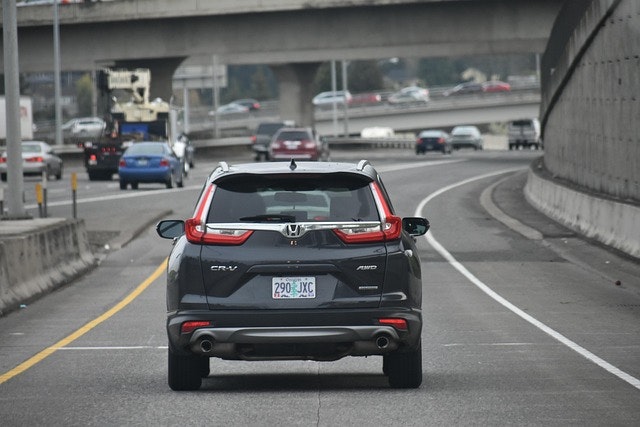
Auto insurance can feel confusing when you're lending your car to someone or borrowing a vehicle yourself. Many drivers aren’t sure whose policy applies in an accident—the vehicle owner’s or the driver’s. Understanding how coverage works can help you avoid unexpected costs and make smarter decisions before someone else takes the wheel.
In most situations, auto insurance is tied to the vehicle itself. That means the owner’s policy generally steps in first after an accident. However, there are several exceptions that can change how protection applies. Knowing these details is important, whether you're reviewing your policy or working with an independent insurance agency like Security Insurance Agency serving Southwest Missouri and Northwest Arkansas.
The General Rule: Coverage Follows the Vehicle
Auto insurance is usually written to insure the vehicle rather than any individual driver. When an accident happens, the policy connected to that vehicle is typically the primary source of protection. This is especially true for liability coverage, which helps pay for injuries or property damage you cause.
Because the coverage is linked to the insured vehicle, it often applies even if someone else is driving—so long as they had permission. For example, if you allow a friend to use your car and they cause an accident, your policy is usually the first to respond up to your limits.
If the damage exceeds your limits and the driver also carries insurance, their policy may serve as secondary protection. This layered structure highlights the importance of having sufficient liability coverage, especially if multiple people occasionally drive your car.
Important Exceptions to the Rule
Although insurance generally follows the car, not every situation fits neatly into that rule. Certain circumstances may limit or change how coverage works, which is where misunderstandings often occur.
Why Permission Matters
Your insurance typically applies when you have given someone permission to use your vehicle. This is commonly referred to as permissive use. But if someone drives your car without consent, your policy may not offer protection. That’s why confirming permission is such a key factor in determining coverage.
How Excluded Drivers Affect Claims
Some auto insurance policies list excluded drivers—people who are not covered under any circumstances. These exclusions are often added when someone in the household has a risky driving history. If an excluded driver gets behind the wheel anyway and causes an accident, the claim may be denied entirely, leaving everyone involved responsible for their own costs.
Listing Household Drivers Is Essential
Insurance companies generally require all household members who regularly drive your car to be listed on your policy. If someone who lives with you frequently uses your vehicle but isn’t included, coverage may be reduced or denied. Insurers rely on this information to properly assess risk, making disclosure crucial.
Business Use May Require Different Coverage
Using your personal vehicle for business purposes can impact how your insurance works. Tasks such as client transport, deliveries, or other job-related driving may fall outside a standard personal auto policy. In these situations, additional protection or a full commercial insurance policy may be necessary—something Security Insurance Agency helps many Missouri and Arkansas drivers secure through tailored commercial insurance solutions.
Ride-Sharing and Delivery App Considerations
Driving for ride-share or delivery platforms also creates unique coverage needs. Many personal auto policies exclude accidents that occur while you’re working through these services. While the companies may offer limited coverage, it often applies only during specific parts of the trip, leaving gaps that need to be addressed with proper endorsements.
How These Rules Apply in Real Life
Consider this situation: You lend your vehicle to a friend so they can run errands. If they cause a collision, your policy typically activates first because it's tied to the car. It would likely pay for damages up to your liability limits, with your friend’s insurance stepping in only if the costs exceed your coverage.
In the opposite scenario, you borrow a friend’s vehicle and get into an accident. Their insurance would generally apply first, while your own policy may offer additional help if damages go beyond their limits. These examples show how multiple policies can overlap depending on the circumstances.
Why Policy Details Are So Important
Not every auto policy is structured the same way. Coverage can vary based on endorsements, listed drivers, exclusions, and even state-specific regulations. Two policies may look similar at a glance but work very differently after an accident. That’s why reading your policy closely—and understanding its limits—is essential.
Working with a knowledgeable independent insurance agency such as Security Insurance Agency in Cassville, Missouri can help ensure you’re protected in ways that match your lifestyle, whether you need auto insurance, home insurance, farm insurance, or even workers comp insurance.
Before You Lend Your Vehicle, Consider This
Lending your car may feel like a simple favor, but it also comes with potential risks. Before you hand over the keys, make sure the driver has a valid license and a dependable driving history. It’s also wise to review your liability coverage limits to ensure you’re prepared for a serious accident.
Additionally, check whether your policy includes restrictions on who may operate your vehicle. A few minutes of review can prevent major surprises later.
Ultimately, while auto insurance generally follows the car, several important exceptions can influence how claims are handled. The best way to protect yourself is to understand your policy and ask questions when something isn’t clear. Security Insurance Agency is here to help drivers across Southwest Missouri and Northwest Arkansas navigate these decisions and find the right protection for their needs.
What sets your approach apart?
Our attorneys combine academic rigor, industry leadership, and a deep understanding of complex legal landscapes to deliver strategies uniquely tailored to each client.
How do you handle intricate legal challenges?
We thrive on complexity, leveraging decades of experience to uncover solutions others might miss. Every case is approached with precision, diligence, and creativity.
What kind of communication can clients expect?
We prioritize direct and consistent communication, offering clear updates and actionable insights throughout the legal process, so you remain confident and informed.
How do you approach long-term legal partnerships?
We build enduring relationships by aligning with our clients’ long-term objectives, acting as trusted advisors who guide and support through every phase of their ventures.
What can I expect during my consultation?
Your initial consultation will involve an in-depth discussion of your goals and challenges, allowing our attorneys to outline tailored strategies and next steps. See below for a typical process cadence.